Beyond a Single Tree
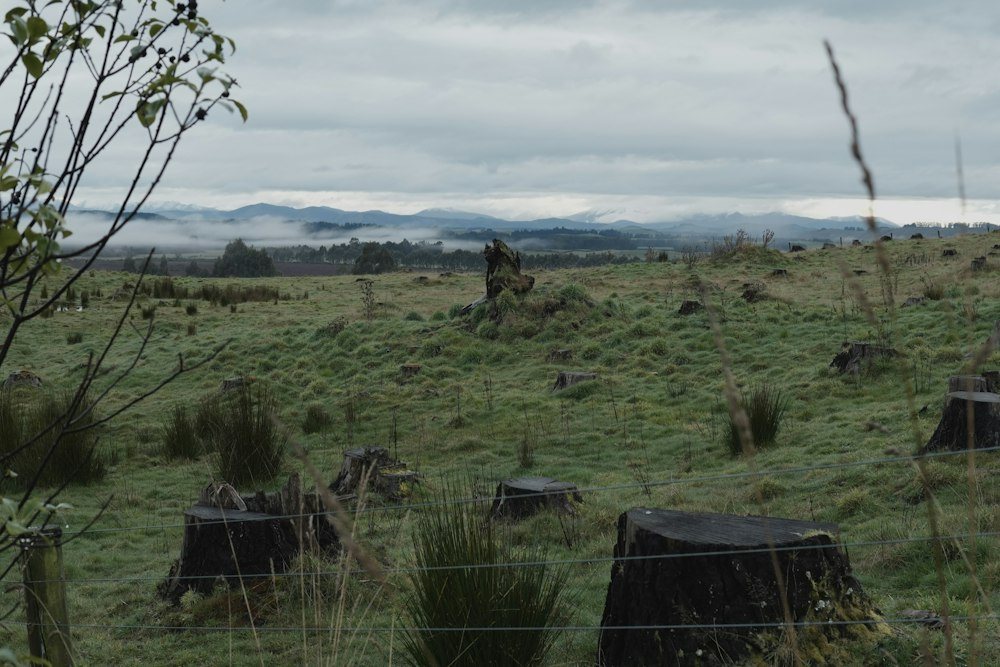
Brush, volunteer juniper, dead shelterbelt rows, fence lines and whole wooded lots across a parcel or acreage, cleared and disposed of the way Montana, the City and Cascade County allow.
What Makes This Different
Clearing your own ground in Great Falls, Montana does not start with a tree permit. Neither the City nor Cascade County requires one on private land; the only tree the city code claims is the one in the boulevard strip (12.15.010). It starts with two questions: what stays, and where the material goes.
Typical jobs: a 1950s shelterbelt of dead Siberian elm, caragana and Russian olive; a bench pasture toward Ulm gone to juniper and sage; an acreage lot toward Vaughn ahead of a house or shop; river-bottom saplings below Black Eagle.
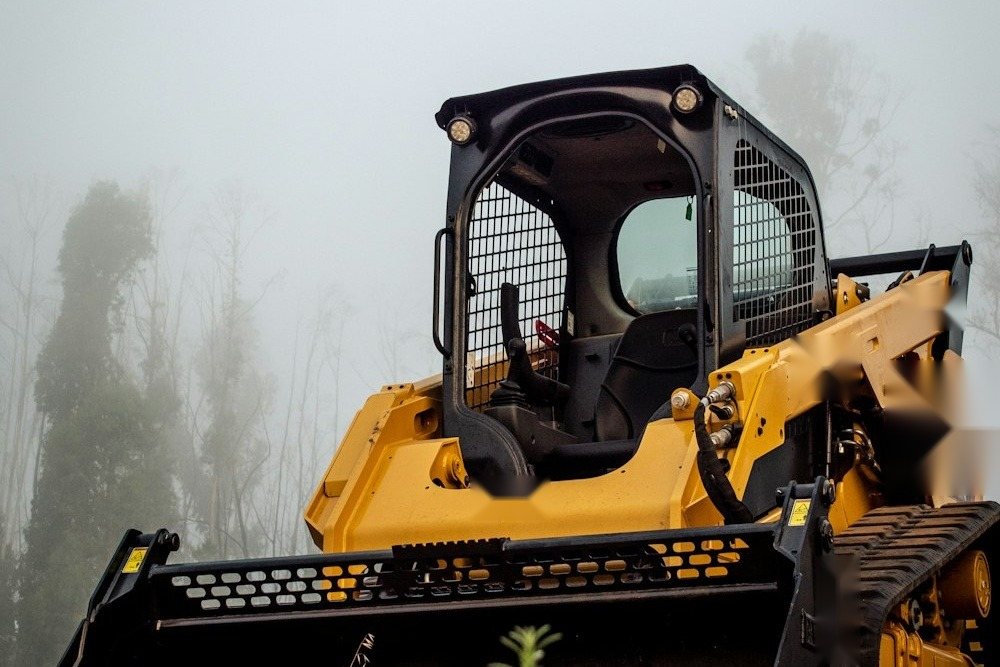
We bring a skid steer with a mulching head, a grapple and the chipper, and price the debris route in town and out. The cottonwoods and ponderosa you keep get the same care as a backyard removal.
Where We Work
Including the ranch country around Floweree, Raynesford and Geyser, the Greenfields irrigation ground around Fairfield, and the Sun River valley from Vaughn to Simms. The no-burn and 8-inch weed rules are the City's; the towns keep their own offices, and county ground answers to its rural fire district before anything is lit. See all the areas we serve →
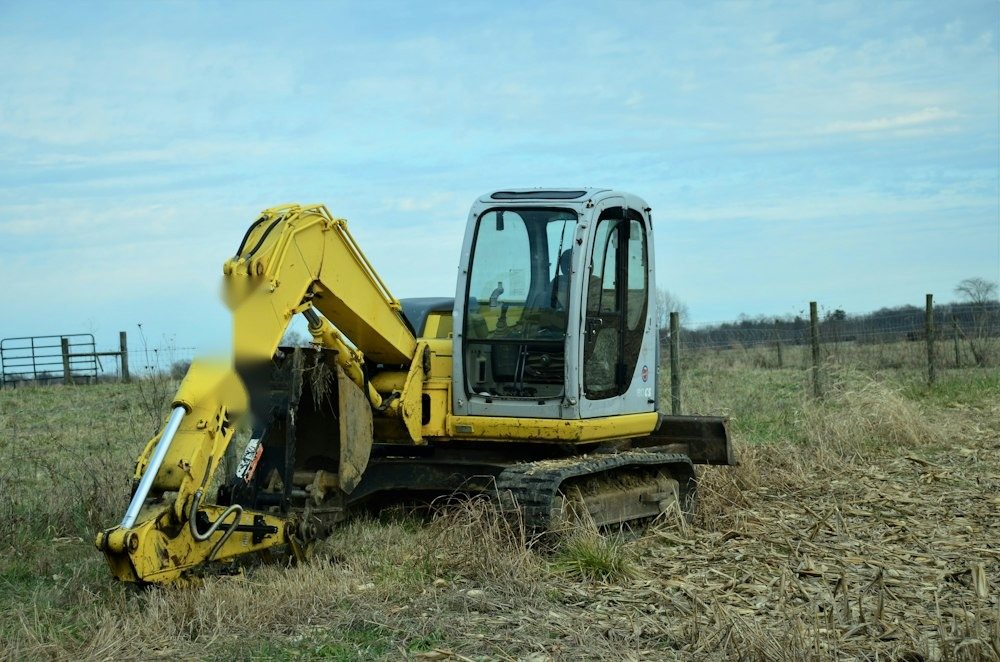
Taking out a dead windbreak row so a new one can go in or the field edge is a field again: Siberian elm falling apart from the top, caragana thickets, Russian olive walking down the coulee. Cole grew up on a ranch outside Belt and knows where irrigation mains run. We can take one row and leave the next.
Brush, saplings, juniper and dead elm cleared ahead of a house, shop, driveway or fence, to the footprint and not a foot past it. Big trees are priced per tree, stumps can be ground the same visit, and we tell you which cottonwoods and spruce will survive the grading.
Cottonwood saplings, willow and boxelder along the Missouri and the Sun, juniper benches above Ulm or Gibson Flats, Greenfields ditch banks, and yards where the February 2020 windstorm dropped several trees in one night. Bottoms stay soft for weeks after the benches dry, and frozen January ground carries a machine better than April gumbo, so we time it.
Cost Planning
| Job size | Typical cost range |
|---|---|
| Light brush (per acre) | $1,500–$3,500 |
| Wooded (per acre) | $3,500–$8,000+ |
| Single lot under ½ acre | $1,200–$4,000 |
Ranges are typical for central Montana based on published industry cost guides; your written estimate reflects your specific tree and site.
Density sets the price: an acre of waist-high juniper and an acre of dead shelterbelt with 60-foot cottonwood mixed in are different jobs. Bench clay rutting in the thaw and wet river bottoms matter too. Mulching in place is usually cheapest, full haul-off costs most, and a burn pile is a county-only option with a permit.
Forestry mulching moves through juniper, caragana and brush faster than hand work and leaves a cleaner grade. The chipper and grapple take what the mulcher should not, like a four-foot cottonwood trunk or a ponderosa log worth keeping. The crew is licensed and insured.
Inside Great Falls, 8.8.170 bans burning refuse, brush and leaves included, and 8.48 can halt even recreational fires. Outside town, a Clerk and Recorder burn permit covers vegetative material only, expires December 31, and leaves the holder liable if a fire gets away.
Mulch in place, haul it off, burn it where the County permit allows, or keep the firewood; green ash, chokecherry and ponderosa burn well. Elm firewood must be debarked first (8.52.060). Nothing is buried on site.
Regrowth comes fast here: cottonwood suckers, boxelder, caragana and Russian olive, then juniper. Inside the city, vegetation over 8 inches is a nuisance weed (8.11). We talk through mowing, seeding or grading, and can grind stumps so the ground mows clean.
Not for the trees; neither the City nor Cascade County requires one on private land, and the city code's only tree rule is the boulevard application (12.15.010). The City regulates the aftermath: no burning in town (8.8.170), vegetation under 8 inches (8.11), no dead wood left lying (8.52). Outside town, get the County burn permit before lighting a pile. Our permits guide has the details.
Both. Mulching on site is usually cheapest; hauling costs more but leaves clean ground. On county acreage a permitted burn pile is a third option, subject to wind and fire restrictions.
Removal is priced per tree. Clearing is priced by area and density: how much ground, how thick, and how big the trees mixed in are. Debris and stump grinding get their own lines, and a parcel under half an acre is priced as a single lot.
Have us walk the whole parcel for free, with the debris plan and burn question answered before you sign.
Type your town or ZIP, say Belt or 59405, and see whether the Electric City truck runs there.