Serving Power, Montana
Power is the wheat-bench town at I-15 exit 302 north of Great Falls, laid out in 1910 by the pioneer Thomas Charles Power, and the nearest Teton County town on the list.
Local Know-How
Power is a community of about 180 people in Teton County, Montana, 27.6 road miles and about 33 minutes north of Great Falls. Thomas Charles Power laid out the townsite in 1910, and the Power School District still teaches kindergarten through twelfth grade in town, with the Pirates on the field.
This is dry wheat ground at about 3,700 feet with no river close by, so every tree was planted: caragana, Russian olive and Siberian elm in farmstead shelterbelts, green ash and boxelder in the yards, blue spruce on the north side of the house. Nothing stands between a Power windbreak and a chinook.

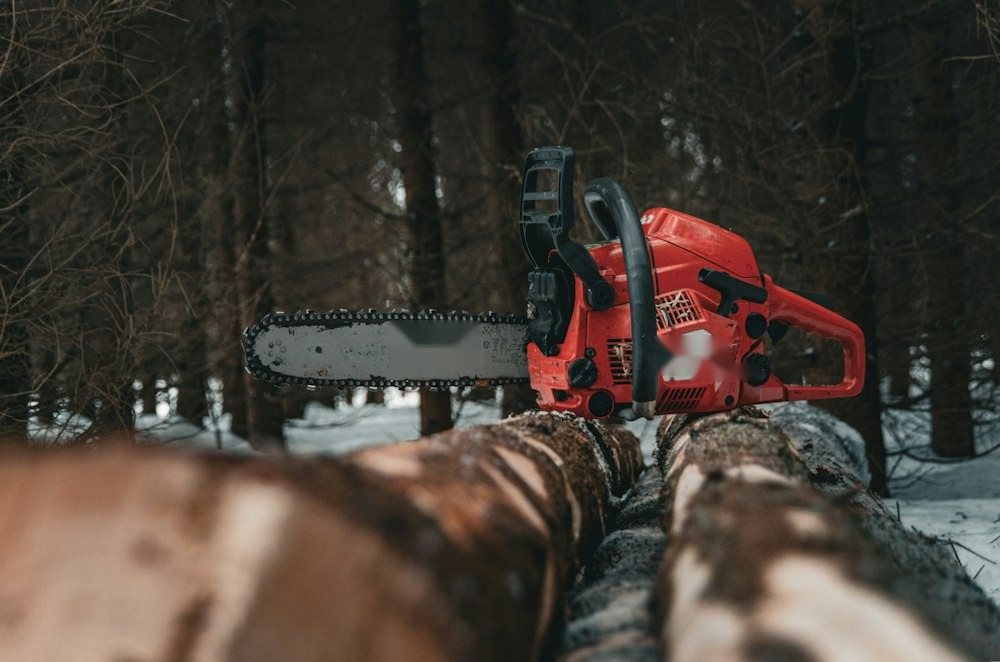

Removal, stumps, trimming and shelterbelt clearing for the town and the wheat farms along the interstate.

Wind-thrown, snow-broken, dead or leaning trees taken down in sections and hauled off the same day, with boulevard and elm-wood rules sorted first. See the full details, including typical pricing →

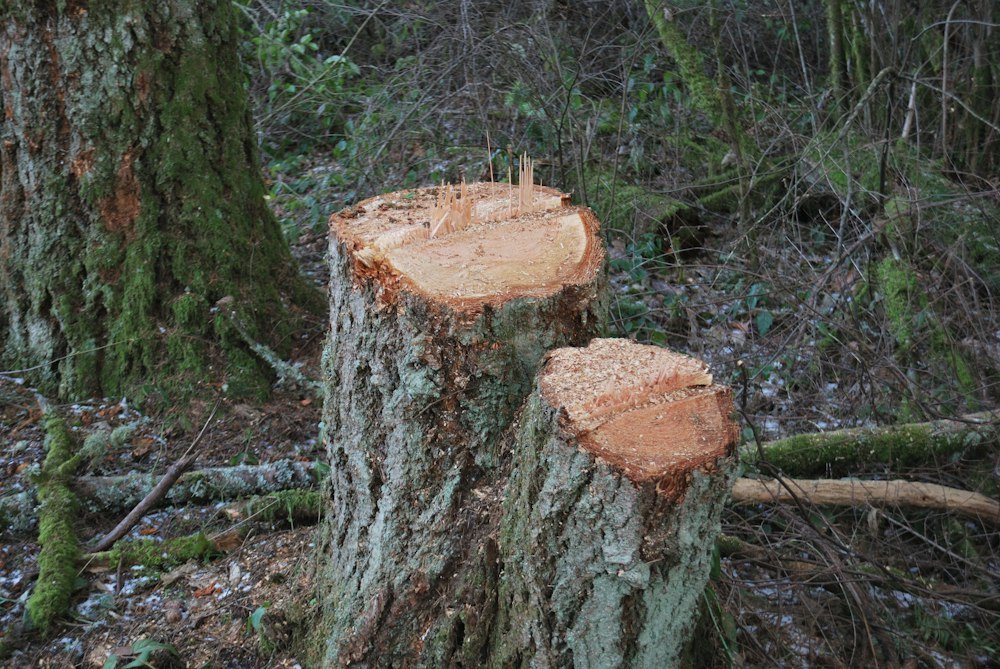
Stumps ground below grade so the lawn comes back. Old cottonwood and boxelder roots run wide here, so sprinkler lines get checked before any grinding. See the full details, including typical pricing →

Deadwood, hazard limbs and snow-load thinning on boxelders and Siberian elms, plus sidewalk and street clearance. Topping is never the plan. See the full details, including typical pricing →

Shelterbelt rows, benchland juniper, river-bottom brush and acreage lots cleared, with burn permits and chip-or-haul decided up front. See the full details, including typical pricing →
What Power Can Count On
Power sits on the interstate run north to Dutton, so estimates group with Teton County work. Crossing the county line does not change the price.
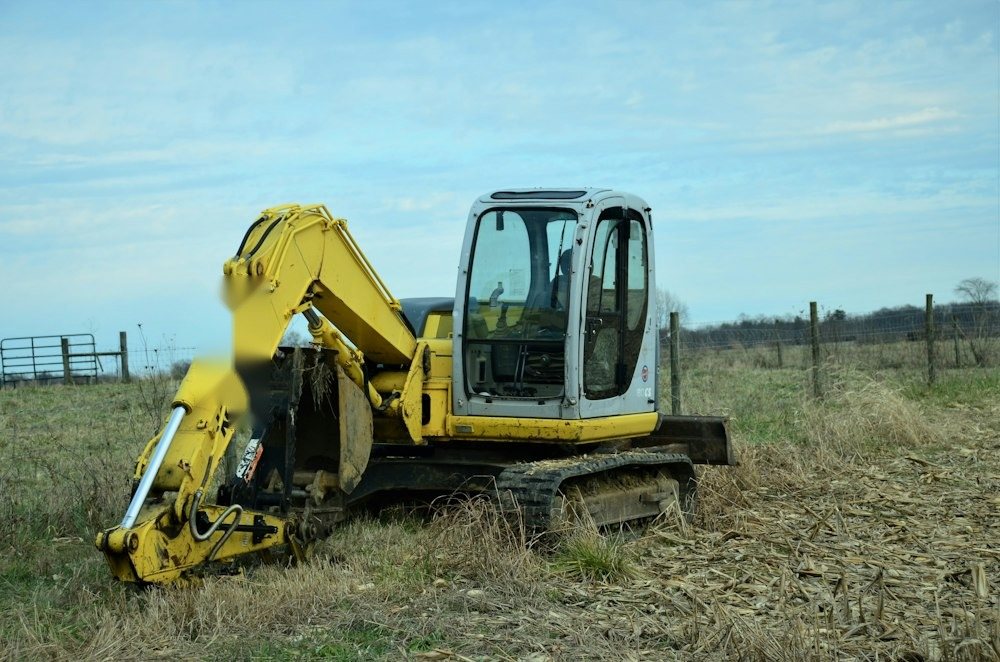
Farmstead rows of caragana and Siberian elm are old and thin, dying a tree at a time. A skid steer runs through the dead stretch and the brush is chipped on site.
Farm trees here crowd grain bins, machine sheds and service drops. The drop zone and the equipment path get planned first, and the bin stays where it is.
Power is unincorporated, so your own tree is your call. Burn permits come from Teton County and the rural fire district, not Cascade County; we tell you which office, or the brush gets chipped and hauled.
City boulevard, burning and town-office rules: see our permits page.
If a shelterbelt on your Power farm has gone dead in the row or a boxelder over the house split in the last chinook, ask for a free written estimate.
Type your town or ZIP, say Belt or 59405, and see whether we cover it.